Reviving the Sparkle: Made in 1962 Rhinestone Templates
In the world of premium font design and crafting assets, finding a resource that bridges the gap between professional logo design and hands-on crafting can be rare. The Made in 1962 Rhinestone Templates is not merely a set of characters; it is a complete design system built to add texture, nostalgia, and high-impact visual appeal to your projects. For small business owners, designers, and hobbyists alike, this asset offers a distinct personality that standard vector files often lack. It captures the essence of retro aesthetics while providing the modern technical versatility required for today’s multi-platform brand identity projects.
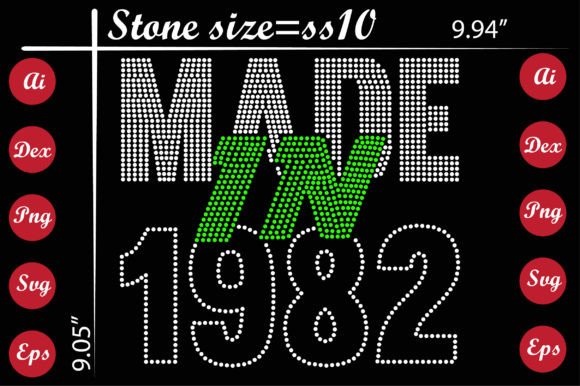
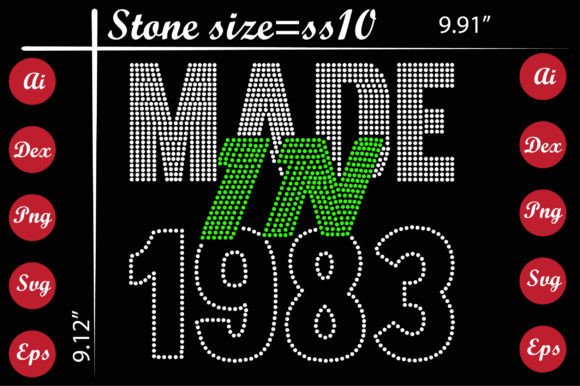
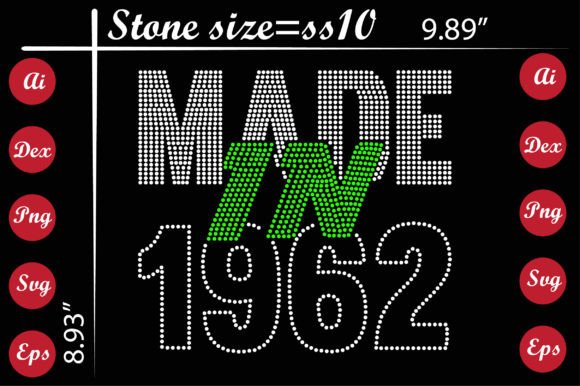
Visually, the Made in 1962 style leans heavily into a retro-display aesthetic. It evokes the charm of mid-century typography but translates it into a tactile, textured format. Unlike a standard digital typeface, this template is designed to simulate the look of rhinestone transfers. The characters have a bold, geometric weight that ensures legibility even when rendered in a textured medium. The "personality" of this design is celebratory and bold. It suggests craftsmanship and attention to detail, making it an ideal choice for packaging design or merchandise where the physical feel of the product is just as important as the visual. The overall appeal lies in its ability to make text look like an artifact—something crafted rather than just typed.
Practical Applications for Modern Creators
The true value of the Made in 1962 Rhinestone Templates lies in its versatility across different media. Because this is an instant download provided in a ZIP folder, you have immediate access to a suite of professional-grade formats: Ai (300dpi), EPS (300dpi), SVG File (300dpi), DXF File (300dpi), Transparent PNG (300ppi), and Jpeg (300dpi). This variety ensures that whether you are working in Adobe Illustrator for editorial design or uploading directly to a cutting machine software for physical crafting, the workflow remains seamless.
For entrepreneurs and marketers, the applications are vast. The vector formats (AI, EPS, SVG) are perfect for scaling up to large-format prints without losing resolution. You can use these templates to create standout social media graphics that mimic the look of physical crafts, adding a layer of authenticity to your digital presence. Imagine a "Flash Sale" banner on Instagram that looks like it was bedazzled; that texture stops the scroll. For print-on-demand businesses, the Transparent PNG files are ready to be dropped onto mockups for t-shirts, tote bags, and hoodies. The high resolution (300dpi/ppi) ensures that the printed product looks crisp and professional, avoiding the pixelation often associated with lower-quality design assets.
Beyond digital and apparel, these templates excel in physical product customization. Crafters and hobbyists can utilize the DXF and SVG files with electronic cutting machines (like Cricut or Silhouette) to cut heat-transfer vinyl or actual rhinestone stencil material. This transforms a simple mug, cushion, or greeting card into a bespoke item. The ability to edit the files means you are not locked into a single phrase; you can adapt the typography to fit specific event names, brand slogans, or personalized gifts, making it a highly practical commercial font alternative for personalized goods.
Strategic Design and Brand Perception
Choosing the right typography is a strategic decision that influences brand perception and audience engagement. When you incorporate a textured style like the Made in 1962 design into your web design or print collateral, you are signaling a specific set of values. This style often conveys nostalgia, warmth, and a "human touch." In an era of clean, minimalist sans serif font dominance, introducing a retro, textured element can create a powerful contrast that draws the eye.
However, readability is paramount. Because this is a display font style with high texture, it is best used for headlines, logos, and short bursts of text rather than long-form body copy. A common mistake in graphic design is using a complex, textured typeface for paragraphs, which can lead to eye strain. Instead, use the Made in 1962 Rhinestone Templates to establish a visual hierarchy. Pair it with a clean, legible serif font or a neutral sans serif font for the body text. This font pairing strategy allows the display text to shine as the "hero" element while the supporting text provides clarity and information.
For content creators and bloggers, this asset can be a game-changer for visual branding. Using the PNG files as overlays on photography can create a consistent aesthetic across your Pinterest pins or YouTube thumbnails. It adds a layer of modern typography mixed with vintage flair that can make your content feel more curated and intentional. When evaluating project fit, consider the "vibe" of your content. If your brand voice is energetic, celebratory, or vintage-inspired, this template aligns perfectly. If your brand is strictly corporate and minimalist, you might reserve this asset for seasonal campaigns or internal event branding where a bit more personality is allowed.
Technical Guidance and File Management
When working with the Made in 1962 Rhinestone Templates, understanding the technical specifications ensures the best results. The inclusion of editable files (AI and EPS) is a significant advantage for professional designers. It means you can adjust kerning, change colors, or modify the vector paths to suit specific brand color palettes. This level of customization is essential for maintaining brand consistency across different mediums.
When using the SVG and DXF files for cutting, it is always recommended to do a test cut on a scrap piece of material. While the files are optimized for cutting machines, blade depth and material thickness vary. The "rhinestone" look is achieved by the specific arrangement of the vector points, so ensuring your machine reads these paths correctly will save time and material. For digital use, the Transparent PNG is your best friend. It allows for drag-and-drop functionality in tools like Canva, Photoshop, or even mobile editing apps, making it accessible for marketers who may not have advanced vector software.
Ultimately, the Made in 1962 Rhinestone Templates serves as a robust creative font solution that bridges the gap between digital design and physical crafting. It provides the scalability of a professional vector asset with the tactile appeal of a handmade craft. By leveraging the full range of included formats—from high-res Jpeg to editable EPS—you can ensure that your projects, whether a logo design for a client or a personalized gift for a friend, maintain a high standard of quality and visual impact. It is a versatile addition to any designer's toolkit, offering a distinct way to make text not just readable, but touchable.