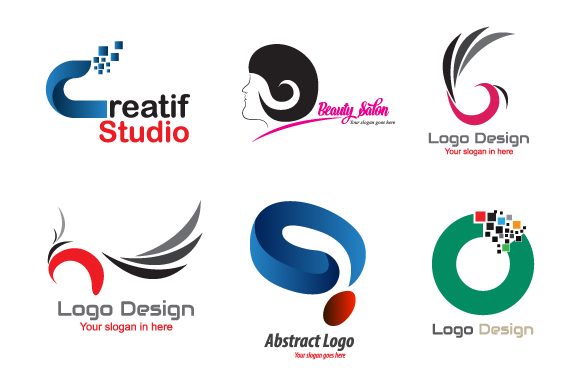
Unlock Instant Creativity with Vector Logo Design Templates
Every strong brand begins with a visual anchor, but starting from a blank canvas is often the biggest hurdle. You know the feeling—you have the business idea, the name, and the drive, but the design execution feels miles away. This is where high-quality design assets become indispensable. Specifically, vector logo design editable templates bridge the gap between a concept and a professional reality. These aren't just static images; they are fully customizable frameworks designed to adapt to your specific vision, offering a sophisticated starting point for any brand identity project.
The Power of Scalable Vector Graphics
Understanding the medium is just as important as the design itself. When you work with vector formats, you are working with mathematics rather than pixels. Unlike raster images that pixelate when enlarged, vector logos maintain their crisp, clean lines whether they are printed on a business card or stretched across a billboard. This scalability is the gold standard in modern typography and logo design. It ensures that your visual identity remains consistent and professional across every touchpoint, from web design to packaging design. By utilizing editable templates in vector format, you guarantee that your brand assets are future-proof and ready for any commercial application.
The appeal of these templates lies in their structure. They are built with layered paths and anchor points, meaning you can adjust curves, change colors, and swap out typography with precision. This level of control is vital for creating a unique typeface pairing or ensuring that a specific script font integrates seamlessly with a sans serif font. It moves you beyond simple "cut and paste" design and into the realm of true creative font manipulation, allowing for a result that feels bespoke rather than generic.
Practical Applications Across Industries
The versatility of these design assets makes them a practical solution for a wide range of professionals. For the entrepreneur, a vector logo template offers a cost-effective way to establish a brand identity without the steep learning curve of complex design software. You can select a template that matches your industry’s vibe—be it the rustic charm of a handwritten font for a coffee shop or the sharp, geometric lines of a modern typography style for a tech startup—and tailor it to your needs.
Marketers and content creators will find these templates invaluable for maintaining visual consistency. In the fast-paced world of social media graphics and digital marketing, having a library of editable logos ensures that your branding remains cohesive across Instagram stories, YouTube banners, and email headers. Furthermore, publishers and bloggers can use these assets to create distinct visual identities for different content series or sub-brands, enhancing reader recognition and engagement without reinventing the wheel every time.
Even for established designers, these templates serve as a powerful brainstorming tool. Instead of staring at a blank artboard, you can deconstruct a professional template to understand layout structure, negative space usage, and how different typeface combinations work together. It is a way to reverse-engineer success, analyzing how a premium font interacts with a display font to create a balanced visual hierarchy.
Evaluating and Customizing Your Design Assets
To get the most out of a digital download of this nature, you need to approach the selection process with a critical eye. Don’t just look for a pretty picture; look for the underlying structure. A high-quality vector logo template should demonstrate strong fundamentals in design. Ask yourself: Does the silhouette work? Is the layout balanced? Does it rely too heavily on trends that might date quickly?
Once you have selected a template, the customization process is where your brand personality truly comes to life. This is the time to experiment with font pairing. If the template uses a bold serif font, consider how it pairs with a lighter sans serif font for secondary text. Pay attention to kerning and leading—these subtle adjustments in typography can drastically alter the readability and tone of your logo.
Consider the practical delivery of these assets. A comprehensive package typically includes multiple file formats to ensure compatibility across different software and use cases. For instance, a standard professional bundle might include:
- EPS Files: The industry standard for vector editing, compatible with Adobe Illustrator and other vector software.
- PDF Files: Useful for proofing and sharing with clients who may not have design software installed.
- PNG Files: High-resolution raster images with transparent backgrounds, perfect for immediate use in web design or presentations.
Having access to these formats ensures that you aren't limited by technical constraints. Whether you are sending a file to a print shop for merchandise or uploading a graphic to a website builder, the right format is available at your fingertips.
Building a Cohesive Visual Identity
A logo does not exist in a vacuum. It is the cornerstone of a larger visual language. When you choose a vector logo design template, you are selecting a visual tone that must extend to your other materials. If you choose a template with a playful, handwritten font style, your business cards, website headers, and social media graphics should reflect that same energy. Consistency is the key to building trust and recognition.
Think about the psychological impact of your choices. A heavy, bold typeface conveys strength and stability, often used in fitness or industrial branding. Conversely, a delicate, flowing script font suggests elegance and creativity, making it a popular choice for wedding planners or boutique shops. By selecting a template that aligns with your core values, you ensure that your brand identity resonates emotionally with your target audience.
Ultimately, these editable templates are more than just a shortcut; they are a strategic tool. They allow you to leverage professional design principles—visual hierarchy, balance, and typography—without needing a decade of experience. By starting with a strong foundation and applying your unique creative vision, you can transform a standard template into a distinctive symbol of your brand.